Discover the Best Outdoor Dehumidifier for Humid Climates
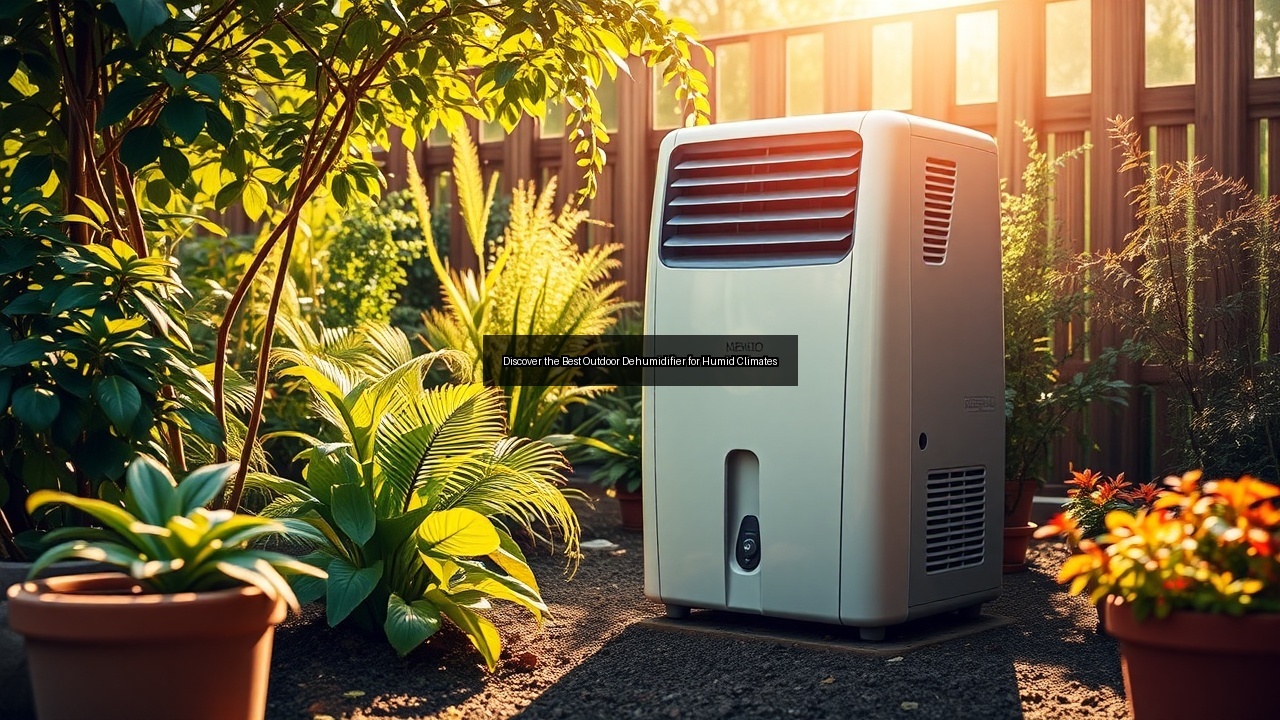
Understanding Outdoor Dehumidifiers in Humid Climates
The Importance of Humidity Control
Humidity can wreak havoc on both indoor and outdoor spaces, particularly in humid climates. Excess moisture creates an environment conducive to mold growth and can lead to structural damage over time. High humidity levels also make conditions uncomfortable, causing discomfort in outdoor living areas, patios, or any space where people gather. By installing an outdoor dehumidifier, homeowners can effectively manage moisture levels, enhancing comfort and protecting their investments. Controlling humidity not only improves the ambiance of outdoor spaces but also extends the lifespan of furniture and equipment exposed to the elements. Proper humidity control ultimately leads to a healthier environment for both people and pets, making outdoor dehumidifiers essential in regions with persistent high humidity.
How Outdoor Dehumidifiers Work
Outdoor dehumidifiers operate by drawing in humid air and passing it over a set of cooled coils. This process condenses the moisture in the air, transforming it into liquid water that collects in a tank or is drained away via a hose. Most outdoor dehumidifiers utilize a compressor to cool the coils, making them highly effective in removing moisture. The dehumidified air is then expelled back into the atmosphere, lowering the overall humidity in the area. Many models come equipped with built-in humidistats that automatically regulate operation based on the humidity levels in the environment. This intelligent design not only improves efficiency but also conserves energy, making outdoor dehumidifiers a smart investment for managing moisture levels.
Key Features to Look for in Outdoor Dehumidifiers
When selecting an outdoor dehumidifier, consider several key features to ensure optimal performance. First, check the moisture removal capacity, typically measured in gallons per day; higher capacities suit larger areas. Next, look for energy-efficient models with Energy Star ratings that guarantee lower electricity consumption. Portability is another important factor; models with wheels or handles facilitate easy movement between spaces. Additionally, a built-in pump can simplify drainage, allowing continuous operation without the need for frequent tank emptying. A durable, weather-resistant design ensures the unit can withstand outdoor conditions, while programmable settings enhance convenience. Lastly, always review warranty options for peace of mind, ensuring your investment is protected.
Top Outdoor Dehumidifiers for Humid Environments
Best Energy-Efficient Models
Energy-efficient outdoor dehumidifiers not only save money on electricity bills but also reduce environmental impact. One top performer in this category is the hOmeLabs 70 Pint Dehumidifier. This model boasts an Energy Star rating, designed to remove up to 70 pints of moisture per day while consuming minimal electricity. Another excellent choice is the Frigidaire FFAD5033W1, renowned for its efficient moisture removal and user-friendly controls. Both models feature a continuous drainage option, making them ideal for long-term operation in humid climates. Investing in energy-efficient outdoor dehumidifiers ensures effective moisture control while keeping energy consumption low, making them the best choice for environmentally conscious consumers.
High Capacity Dehumidifiers for Large Areas
For expansive outdoor spaces, high-capacity dehumidifiers are essential. The Dri-Eaz F413 Revolution LGR Dehumidifier stands out for its robust performance, capable of removing up to 80 pints of moisture daily. This industrial-grade unit features a compact design that fits through standard doorways, making it perfect for large patios or warehouses. Another excellent option is the Ebac CD150, which can extract 149 pints of moisture per day, ideal for extensive coverage. These high-capacity dehumidifiers ensure that even the largest areas stay comfortable by effectively combating excessive humidity, preventing damage to structures and furnishings.
Industrial Outdoor Dehumidifiers
Industrial outdoor dehumidifiers cater to commercial settings requiring significant moisture control. The Phoenix 200 Dehumidifier excels in large-scale applications, removing up to 200 pints of moisture daily. It features a rugged design, equipped with wheels for easy transport across job sites. The Dri-Eaz LGR 7000XLi offers advanced technology, allowing it to operate efficiently in lower temperatures while still extracting high levels of moisture. These industrial models often come with additional features like ducting capabilities to enhance moisture removal in hard-to-reach areas. Investing in industrial outdoor dehumidifiers ensures optimal performance, making them ideal for construction sites, warehouses, and other large-scale applications.
Installation and Maintenance Tips for Outdoor Dehumidifiers
Optimal Placement for Maximum Efficiency
Strategic placement of outdoor dehumidifiers significantly impacts their performance. Position the unit in a central location to maximize airflow and ensure even moisture removal across the area. Avoid placing dehumidifiers near walls or obstructions that may impede air circulation. If possible, elevate the unit slightly to prevent water from pooling around it, enhancing both safety and efficiency. Ensure that the dehumidifier's exhaust faces away from any outdoor seating areas to maintain a comfortable environment. Proper placement not only increases the effectiveness of moisture removal but also prolongs the life of the unit, ensuring it operates at peak performance for years to come.
Regular Maintenance for Longevity
Regular maintenance is crucial for the longevity and efficiency of outdoor dehumidifiers. Start with routine cleaning of the air filter, which can become clogged with dust and debris, hindering airflow. Most manufacturers recommend cleaning or replacing the filter every few months, especially in dusty environments. Additionally, inspect the water tank for any signs of algae or mold growth. Clean the tank regularly to prevent unwanted odors and maintain hygiene. Check the drainage system for clogs to ensure proper water removal. Lastly, review the compressor and electrical components periodically to catch any issues early. Consistent maintenance not only extends the life of your dehumidifier but also enhances its performance.
Troubleshooting Common Issues
Outdoor dehumidifiers may encounter common issues that require troubleshooting. One frequent problem is insufficient moisture removal. Check the air filter first, as a clogged filter can reduce efficiency. Ensure that the unit is adequately sized for the space; an undersized dehumidifier may struggle to keep up with moisture levels. Another issue might be water leakage, often caused by a blocked drainage hose or a full tank. Examine the drainage system and empty the tank if necessary. Finally, if the unit fails to start, confirm that it's plugged in and that the circuit breaker hasn't tripped. By addressing these common problems promptly, you can ensure that your outdoor dehumidifier remains operational and effective.
Comparing Energy Consumption and Performance
Understanding Energy Star Ratings
Energy Star ratings serve as a reliable guide for consumers seeking energy-efficient outdoor dehumidifiers. Products that earn this designation meet strict energy efficiency guidelines set by the U.S. Environmental Protection Agency. These dehumidifiers consume less electricity while maintaining effective moisture removal capabilities. When comparing models, prioritize those with Energy Star certification to ensure lower operating costs and reduced environmental impact. Energy-efficient options can significantly decrease electricity bills, making them a smart choice for homeowners concerned about energy consumption. By understanding these ratings, consumers can make informed decisions that align with their sustainability goals while still addressing humidity issues effectively.
Evaluating Moisture Removal Capacity (Gallons)
Moisture removal capacity is a critical factor when selecting an outdoor dehumidifier. This capacity indicates how much moisture the unit can extract from the air, typically measured in gallons per day. For small outdoor spaces, models with a capacity of 30-50 pints may suffice. However, larger areas or particularly humid environments may require units that can remove 70 pints or more daily. Understanding your specific humidity needs allows you to choose a dehumidifier that effectively manages moisture levels without overworking the system. Always evaluate the moisture removal capacity based on the size of the area and the prevailing humidity conditions to ensure optimal performance.
Electricity Costs vs. Benefits of Dehumidification
When investing in best outdoor dehumidifierdehumidification an outdoor dehumidifier, consider the balance between electricity costs and the benefits of dehumidification. While some models may have higher upfront costs, their energy efficiency can lead to significant savings on electricity bills over time. Calculate the estimated operating costs based on the unit's wattage and your local electricity rates to understand the long-term financial implications. Additionally, consider the benefits of maintaining lower humidity levels, such as improved comfort, reduced risk of mold growth, and protection for outdoor furniture and structures. The cost of electricity often pales in comparison to the advantages gained from effective moisture control, making the investment in a quality outdoor dehumidifier a wise decision.