Maximizing Efficiency with Precision Barrel Gauges in Your Workflow
Understanding Barrel Gauges and Their Importance
What is a Barrel Gauge?
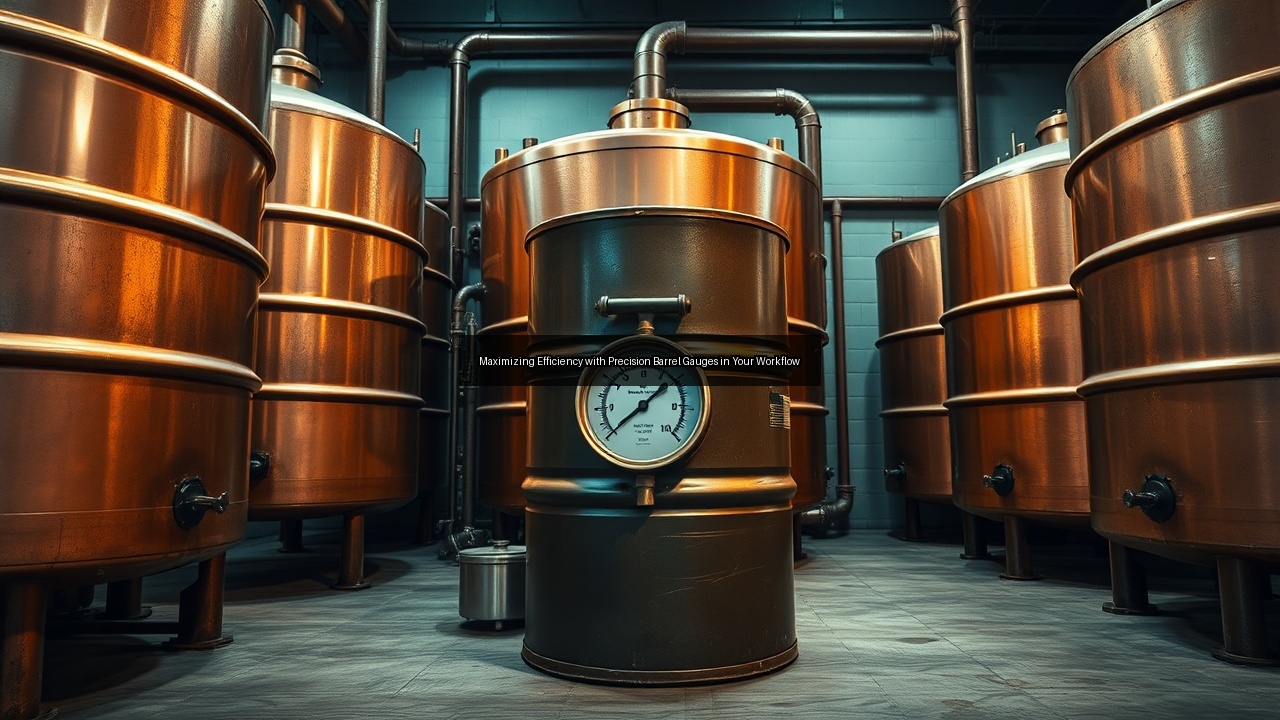
A barrel gauge is an essential instrument designed for measuring the volume of liquids contained within drums or tanks. Typically used in industrial settings, this gauge provides accurate readings that help maintain optimal inventory levels and ensure proper handling of hazardous materials. Most commonly, barrel gauges are associated with 55-gallon drums, which are a standard size for various liquids, including chemicals, oils, and other substances. The gauge allows users to precisely monitor the amount of liquid in a barrel, minimizing waste and preventing overfills that could lead to spills or safety hazards.
Types of Barrel Gauges Used in the United States
The United States employs several types of barrel gauges, each suited for specific applications. Mechanical gauges, which utilize floats or pressure sensors, offer reliable readings without the need for batteries or electronic components. Electronic gauges, on the other hand, provide digital displays and often include features such as remote monitoring and alerts for low levels. Another popular type is the dipstick gauge, which is a simple rod inserted into the drum to measure liquid depth manually. Understanding the various types enables industries to choose the right gauge based on their specific operational needs and the nature of the liquids they handle.
How Barrel Gauges Improve Workflow Efficiency
Barrel gauges significantly enhance workflow efficiency by providing accurate, real-time measurements. Accurate readings enable businesses to optimize inventory management, reducing the time spent on manual checks and minimizing human error. With precise data, companies can plan better for reorders, ensuring they maintain sufficient stock without over-purchasing. Additionally, reliable measurements reduce the risk of spills, which can lead to costly clean-up operations and potential regulatory penalties. By integrating barrel gauges into daily operations, organizations can streamline processes, improve safety, and ultimately save money.
Choosing the Right Barrel Gauge for Your Needs
Factors to Consider When Selecting a Gauge
Selecting the right barrel gauge involves considering several critical factors. First, assess the type of liquid being measured, as different substances may require specific gauge types due to their viscosity or corrosiveness. For instance, harsh chemicals may necessitate gauges made from resistant materials. Next, evaluate the required accuracy of the measurements. Industries such as pharmaceuticals or food processing demand higher precision than others. Additionally, consider the ease of use; a gauge should be intuitive enough for staff to operate without extensive training. Finally, budget constraints will influence the choice, as more advanced electronic gauges typically come at a higher cost than mechanical options.
Comparing 55 Gallon Drum Gauges and Tank Gauges
55-gallon drum gauges and tank gauges serve similar purposes but differ in functionality and application. Drum gauges focus on measuring the liquid volume in individual barrels, ideal for smaller-scale operations or when storing different liquids in separate containers. In contrast, tank gauges are designed for larger storage solutions, providing measurements for bulk liquids stored in tanks. Tank gauges often feature advanced technology, allowing for remote monitoring and integration with inventory management systems. Understanding these differences helps businesses select the appropriate gauge type based on their storage needs, operational scale, and monitoring requirements.
Common Applications of Barrel Gauges in Various Industries
Barrel gauges find applications across a spectrum of industries. In the chemical industry, they play a crucial role in ensuring safe and accurate handling of potentially hazardous materials. The oil and gas sector relies on these gauges for monitoring fuel levels in storage drums and tanks, which is vital for operational efficiency. Food and beverage industries use barrel gauges to track ingredients stored in drums, aiding in inventory management and recipe consistency. Additionally, pharmaceuticals benefit from precise measurements to comply with stringent regulatory standards. This versatility highlights the importance of barrel gauges across multiple sectors, each with unique requirements and challenges.
Integrating Barrel Gauges into Your Workflow
Best Practices for Measuring with Barrel Gauges
Implementing best practices for measuring with barrel gauges can greatly enhance accuracy and efficiency. Regularly calibrating gauges ensures that they provide precise readings, which is especially important in industries with strict compliance requirements. Always follow manufacturer instructions for installation and operation to avoid damage and incorrect readings. Ensure that staff members understand how to interpret gauge readings correctly and know when to perform maintenance. Additionally, incorporate routine checks as part of daily operations. By fostering a culture of attention to detail and consistent measurement, businesses can significantly improve their operational workflows.
Troubleshooting Common Issues with Gauges
Even the most reliable barrel gauges can encounter issues that may compromise their accuracy. Common problems include incorrect readings due to blockages or mechanical failures. Regular inspection and maintenance can help identify and resolve these issues before they impact operations. If a gauge shows erratic readings, check for debris within the gauge or verify that it is calibrated correctly. For electronic gauges, ensure that batteries are charged and that connections are secure. Establishing a troubleshooting guide for common gauge issues can empower staff to resolve minor problems quickly, minimizing downtime and maintaining workflow efficiency.
Training Staff on Accurate Gauge Usage
Effective training of staff on barrel gauge usage is critical for ensuring accurate measurements and maintaining safety standards. Begin with an overview of the types of gauges in use, detailing their specific functions and benefits. Provide hands-on training that allows staff to practice measuring with the gauges under supervision. Emphasize the importance of following safety protocols, especially when dealing with hazardous materials. Regular refresher courses can help maintain knowledge and skills over time. By investing in staff training, businesses can enhance productivity, improve safety, and reduce the likelihood of costly mistakes associated with incorrect measurements.
Future Trends in Barrel Gauging Technology
Innovations in Gauge Design and Functionality
Innovations in barrel gauge design and functionality continue to evolve, driven by the need for more accurate and efficient measuring solutions. Manufacturers are focusing on developing more compact and lightweight gauges that offer enhanced portability without sacrificing accuracy. New materials are being utilized for durability and resistance to harsh chemicals. Additionally, integrated features such as Bluetooth connectivity allow for easy data access and monitoring via smartphones or tablets. These advancements not only improve user experience but also promote better inventory management practices across various industries.
The Role of Smart Technologies in Barrel Gauging
Smart technologies are transforming barrel gauging by providing advanced capabilities that enhance operational efficiency. Internet of Things (IoT) devices enable real-time data transmission, allowing businesses to monitor liquid levels from remote locations. This connectivity facilitates proactive inventory management, reducing the chances of running out of critical materials. Smart barrel gauges can also send alerts for low levels or potential leaks, significantly improving safety protocols. By integrating smart technologies, companies gain a competitive edge, ensuring they can respond quickly to changing operational needs and optimize their workflows effectively.
Sustainability and Environmental Considerations in Gauge Manufacturing
Sustainability has become a key focus in the manufacturing of barrel gauges, as industries recognize their environmental responsibilities. Manufacturers are adopting eco-friendly materials and production processes to reduce waste and carbon footprints. Additionally, many gauge designs now emphasize energy efficiency, particularly for electronic models. The shift towards sustainable practices not only helps protect the environment but also appeals to increasingly eco-conscious consumers and regulatory bodies. By prioritizing sustainability, businesses can foster a positive image while contributing to a healthier planet.