The Future of Automation with RS-485 and Modbus Enabled Temperature Controllers
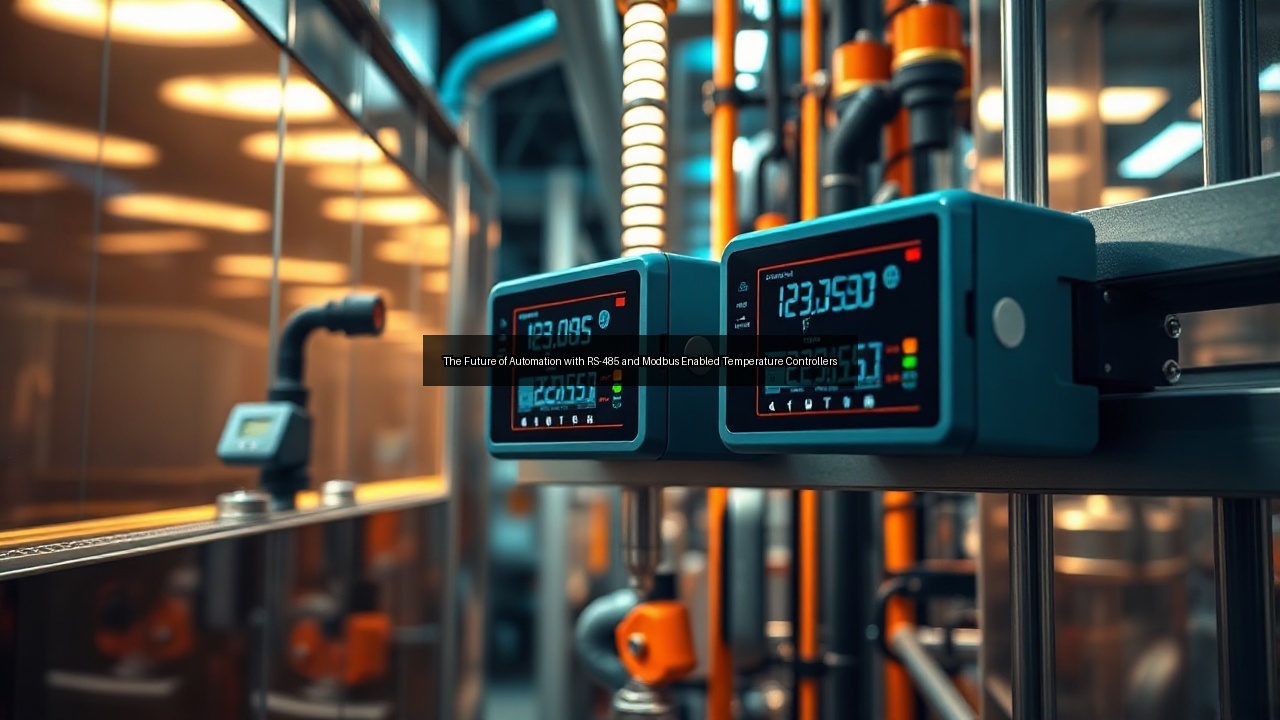
Understanding RS-485 and Modbus in Temperature Control
The Basics of RS-485 Communication
RS-485 communication offers a robust solution for industrial automation, particularly in temperature control systems. This standard facilitates long-distance communication, allowing multiple devices to connect on a single bus. Unlike RS-232, RS-485 supports differential signaling, which minimizes interference and enables communication over distances of up to 4,000 feet. The configuration allows for multi-drop capabilities, where up to 32 devices can share the same data line without significant degradation in performance. This makes RS-485 ideal for environments where temperature measurement and monitoring systems need to connect to various control units and sensors seamlessly.
Modbus Protocol: An Overview
Modbus is a widely adopted communication protocol in industrial applications, particularly for process temperature controllers. This protocol enables different devices, regardless of their manufacturer, to communicate effectively over RS-485 networks. Modbus operates in a master/slave configuration, facilitating simple and reliable data exchange between temperature controllers and supervisory systems. The protocol supports various data types, including discrete inputs, coils, input registers, and holding registers, making it versatile for different temperature measurement applications. With its open standard nature, Modbus fosters interoperability among devices, ensuring that operators can leverage diverse technologies in their automation strategies.
Benefits of RS-485 and Modbus in Automation
The combination of RS-485 and Modbus provides significant advantages in automation, especially in temperature control systems. Firstly, the long-distance capabilities of RS-485 allow for effective monitoring and control of temperature across expansive industrial sites. Secondly, the Modbus protocol enhances data integrity and simplifies integration, enabling seamless communication between controllers and other devices, such as sensors and actuators. This integration results in improved accuracy in temperature measurement and PID control, which is essential for maintaining optimal conditions in manufacturing processes. Additionally, the cost-effectiveness of using RS-485 and Modbus reduces installation and maintenance complexities, making it an attractive option for industries focused on automation and efficiency.
Types of Temperature Controllers and Their Applications
DIN-Rail vs. Panel-Mount Controllers
Temperature controllers come in various forms, with DIN-rail and panel-mount options being the most popular. DIN-rail controllers are designed for mounting on standard rails, making them ideal for compact control cabinets in industrial environments. Their modular design allows for easy installation and replacement, facilitating efficient system upgrades. On the other hand, panel-mount controllers provide a user-friendly interface, often featuring larger displays for real-time temperature monitoring. They are suitable for applications where operators require immediate access to temperature readings and controls. Choosing between these mounting styles largely depends on the specific needs of the installation environment, space constraints, and user accessibility preferences.
Industrial Temperature Control Solutions
Industrial environments demand precision and reliability in temperature control solutions. Various controllers cater to these requirements, ranging from basic on/off thermostats to advanced PID controllers that offer fine-tuned temperature regulation. PID controllers utilize proportional, integral, and derivative control strategies to maintain temperature within tight tolerances, essential for processes that require exact conditions, such as food processing or semiconductor manufacturing. Additionally, specialized industrial temperature control solutions include devices equipped with configurable inputs and outputs, enabling flexibility in managing different sensors like thermocouples and infrared devices. This versatility enhances the ability to create a comprehensive temperature control system tailored to specific industrial applications.
PID Controller Options for Precision Measurement
PID controllers play a crucial role in achieving precision measurement in temperature control applications. These controllers utilize a sophisticated algorithm that continuously calculates the error between a desired set point and the actual temperature measured. The controller then adjusts the heating or cooling output accordingly to minimize this error. There are various PID controller options available, such as single-loop and multi-loop controllers, which allow for simultaneous control of multiple temperature zones. Additionally, advanced PID controllers can incorporate self-tuning features, which automatically adjust control parameters based on real-time process data, thereby enhancing accuracy and response times. Industries utilizing PID controllers benefit from improved process stability and reduced energy consumption.
Integration and Calibration of Temperature Controllers
Configurable Inputs and Outputs
Integration of temperature controllers into existing systems hinges on their configurable inputs and outputs. Modern controllers often feature a variety of input options, enabling compatibility with different types of temperature sensors, including thermocouples and RTDs (Resistance Temperature Detectors). This configurability allows operators to customize the controller to suit specific applications and measurement ranges. Output options can include relay outputs for actuator control or analog outputs for interfacing with data acquisition systems. This flexibility in configuration ensures that temperature control systems can adapt to changing process requirements and integrate seamlessly into broader automation strategies, enhancing overall operational efficiency.
Calibration Techniques for Accuracy
Calibration ensures the accuracy and reliability of temperature measurement in control systems. Regular calibration of temperature controllers is essential to maintain compliance with industry standards and operational efficiency. Techniques such as comparison with a reference standard thermometer allow for precise adjustments to be made. Utilizing certified calibration equipment helps in achieving the highest accuracy levels. Some advanced PID controllers come with built-in calibration features that simplify this process, allowing for easy adjustment of set points and proportional gain values. Regular calibration not only maintains measurement precision but also extends the lifespan of temperature control equipment by preventing drift and ensuring consistent performance.
Thermocouples and Infrared Sensors in Measurement
Thermocouples and infrared sensors represent two widely used methods for temperature measurement in automation systems. Thermocouples are favored for their simplicity, broad temperature range, and fast response times, making them suitable for various industrial applications. Their ability to withstand harsh environments further enhances their appeal. Infrared sensors, on the other hand, provide non-contact measurement capabilities, allowing for quick temperature readings without process controls direct physical contact with the object. This feature is particularly beneficial in processes involving moving parts or hazardous materials. Both types of sensors can be integrated into temperature controllers, enabling precise control and monitoring of processes critical to manufacturing and production.
Future Trends in Temperature Control Automation
Emerging Technologies in Process Controls
The future of temperature control automation lies in the embrace of emerging technologies. Innovations in artificial intelligence and machine learning are shaping how temperature controllers operate, allowing for predictive analytics and automated decision-making processes. By analyzing historical temperature data, these advanced systems can anticipate and respond to fluctuations in real-time, optimizing performance and minimizing energy consumption. Additionally, the integration of IoT (Internet of Things) devices enables remote monitoring and control of temperature systems, providing operators with unprecedented access to data and the ability to make informed adjustments from anywhere. These technologies represent a significant shift toward smarter, more efficient temperature control solutions.
The Role of PC-Programmable Controllers
PC-programmable controllers are gaining traction as versatile tools for temperature control automation. These controllers allow users to create custom control strategies tailored to specific applications, accommodating unique requirements in process temperature management. With user-friendly programming environments, engineers can easily develop complex control algorithms that go beyond traditional PID control. The flexibility offered by PC-programmable controllers enhances the ability to manage multi-zone temperature control, making them ideal for applications requiring precise coordination. As industries increasingly seek automation solutions that offer both reliability and adaptability, these controllers will play a pivotal role in future temperature control systems.
Innovations in Humidity and Pressure Regulation
Temperature control does not operate in isolation; humidity and pressure regulation are equally vital in many industrial processes. Future innovations will see enhanced integration of temperature controllers with humidity and pressure sensors, creating a unified system capable of maintaining optimal conditions across multiple parameters. Advanced algorithms will enable these systems to adjust not only temperature but also humidity levels and pressure in real-time, ensuring product quality and consistency. Such integrated solutions will streamline operations, reduce energy costs, and enhance overall process efficiency, paving the way for the next generation of automation in temperature control.
See Also
- Unlocking Precision with PID Controllers for Process Temperature Management
- Calibrating Your Success with Accurate Temperature Measurement and Control Solutions
- The Future of Automation in Temperature Control Systems
- The Role of Automation in Modern PID Temperature Control Systems
- Choosing the Right Process Temperature Controller for Your Application