What to Look for in Compression Molding Suppliers for Optimal Results
Understanding Compression Molding Services
Overview of Compression Molding Processes
Compression molding services deliver precise parts by placing preheated material into an open mold cavity and applying heat and pressure to shape it. The compression molding process suits thermoset plastics and composites because it allows even distribution of fibers and resins under controlled force. Operators close the mold, maintain pressure for a set cure time, and then eject the finished component. This method produces strong, dimensionally stable items with minimal waste. Compression molded products often feature excellent surface finishes and consistent wall thicknesses. Manufacturers rely on compression molding processes when parts require high strength-to-weight ratios or when intricate details must survive demanding environments. The technique scales from small runs to high-volume production, giving engineers flexibility across multiple material types. Proper mold design and temperature management remain essential for repeatable quality.
Key Differences Between Compression Molding and Injection Molding
Compression molding and injection molding differ in material handling, tooling, and part characteristics. Compression molding places material directly into the mold before closing, while injection molding forces molten plastic through a nozzle into a closed cavity. Compression molding processes accommodate larger parts and thicker sections without knit lines that sometimes appear in injection molding. Tooling for compression molding tends to cost less initially, yet cycle times run longer. Injection molding excels at high-speed production of small, complex components with tight tolerances. Compression molding handles high-viscosity compounds and fiber reinforcements more effectively. Engineers choose between the two based on part size, material, and required mechanical properties rather than speed alone. Both methods support plastic injection molding variants like insert molding, but compression molding provides superior strength in structural applications.
Essential Attributes of Reliable Compression Molding Suppliers
Experience and Industry Reputation
Suppliers with decades of hands-on work understand how slight changes in pressure, temperature, and dwell time affect final part integrity. A strong track record in compression molding services signals consistent delivery of parts that meet demanding specifications. Check case studies and client references to confirm the company has solved challenges similar to yours. Reputation grows through repeat business and referrals, not marketing claims. Experienced teams anticipate material flow issues and mold wear before production starts. They maintain detailed process logs that allow rapid troubleshooting. Industry reputation also reflects how well a supplier collaborates during design iterations. Longevity in the field often correlates with reliable equipment maintenance and trained operators who deliver parts on schedule.
Quality Assurance and Compliance Standards
Reliable compression molding suppliers maintain documented quality systems that track every batch from raw material receipt to final inspection. Look for ISO 9001 certification and compliance with industry-specific standards such as IATF 16949 for automotive or AS9100 for aerospace. These frameworks enforce process controls, incoming material verification, and statistical process monitoring. Suppliers that invest in coordinate measuring machines and non-destructive testing catch deviations early. Traceability records let customers audit any production run years later. Consistent adherence to specifications reduces scrap rates and prevents costly field failures. Strong quality programs also include regular calibration of presses and molds to maintain dimensional accuracy across thousands of cycles.
Advanced Compression Molding Equipment
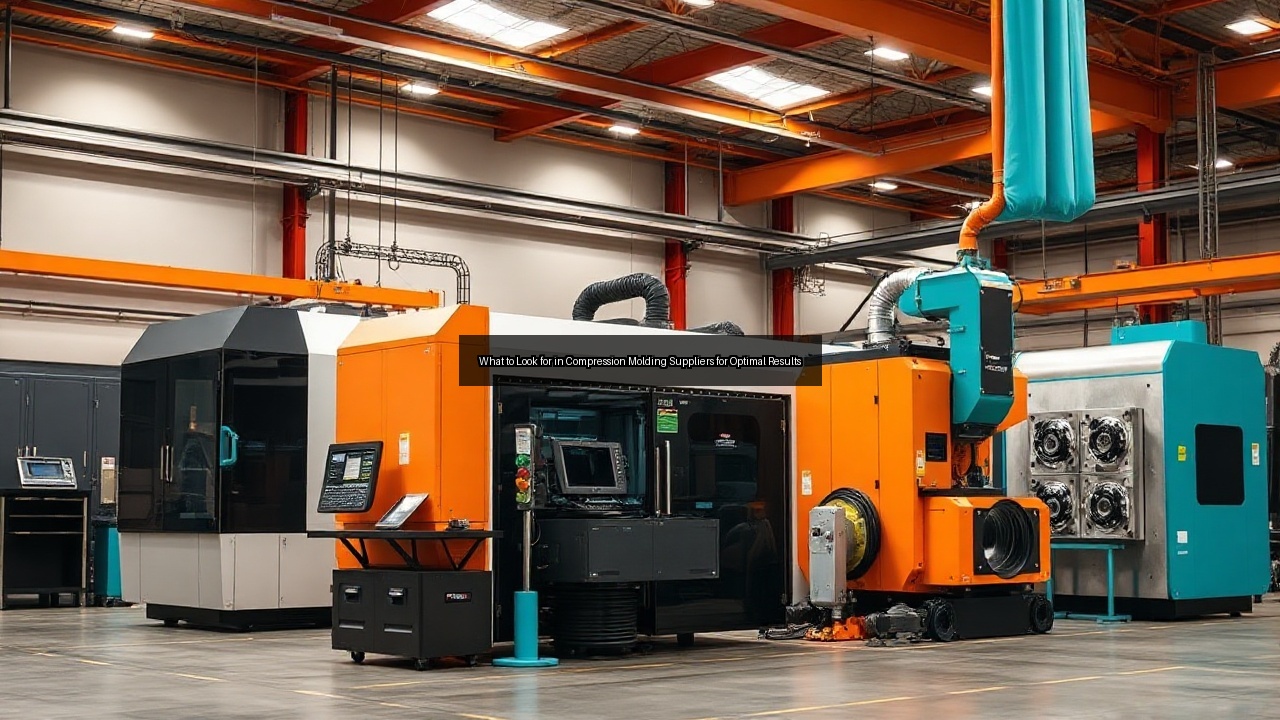
Modern compression molding machines feature precise servo controls for pressure and temperature profiles. Suppliers equipped with these systems achieve tighter tolerances and faster cycle times than older hydraulic presses. Multi-station machines allow simultaneous heating, forming, and cooling stages, boosting throughput. Advanced equipment supports larger platen sizes for oversized components without sacrificing uniformity. Integrated sensors feed real-time data into process control software that adjusts parameters automatically. This capability proves valuable when running filled compounds that demand exact pressure ramping. Facilities that upgrade presses regularly demonstrate commitment to efficiency and part consistency. Equipment versatility also enables quick changeovers between different molds and materials.
Customization Capabilities
Top compression molding suppliers offer in-house mold design and engineering support. They modify existing tooling or create new molds to match unique part geometries and material requirements. Customization extends to material blending, color matching, and surface texture options. Skilled teams perform finite element analysis during design to predict stress distribution and suggest reinforcements. They also prototype inserts or over-molded features when clients need hybrid components. Flexible production cells accommodate both low-volume specialty orders and high-volume runs without quality loss. Suppliers that own their machining centers shorten lead times for new tooling. Strong customization skills translate into parts that fit assemblies perfectly and perform reliably in end-use conditions.
Critical Factors to Evaluate in Compression Molding Suppliers
Material Specifications and Compatibility
Material specifications dictate part performance, so suppliers must demonstrate deep knowledge of resin systems, fillers, and reinforcements. They should provide data sheets and processing guidelines for each compound they run. Compatibility checks prevent issues such as incomplete curing or delamination when combining fibers with matrix materials. Experienced teams test shrinkage rates and flow characteristics before full production. They also advise on alternatives when a specified material becomes unavailable. Clear documentation of batch numbers and lot traceability ensures every part matches the approved formulation. Suppliers that stock multiple grades allow quick pivots during development without delaying timelines.
Production Capacity and Lead Times
Evaluate press tonnage, platen size, and number of machines to confirm capacity matches your volume needs. Suppliers running multiple shifts can absorb demand spikes without extending lead times. Transparent scheduling systems let customers track order status in real time. Realistic lead times account for mold fabrication, material procurement, and quality approval stages. Facilities that maintain buffer stock of common compounds shorten turnaround for repeat orders. Capacity planning also includes secondary operations such as trimming, drilling, or painting so finished parts ship complete. Reliable partners communicate delays early and offer alternatives when raw material shortages arise.
Cost Effectiveness and Pricing Models
Transparent pricing models break down tooling, material, and per-piece costs so buyers understand value. Volume discounts and long-term contracts often reduce unit prices while locking in capacity. Suppliers that optimize mold design and cycle times pass savings forward without cutting corners on quality. Hidden fees for engineering changes or expedited runs should appear clearly in quotes. Cost effectiveness also stems from low scrap rates and minimal rework. Partners that suggest design tweaks to simplify production help control expenses over the life of a program. Request total cost of ownership comparisons rather than focusing solely on initial quotes.
Customer Support and Communication
Responsive customer support teams answer technical questions quickly and escalate issues to engineering staff when needed. Regular status updates during production keep projects on track. Suppliers that assign dedicated account managers build stronger working relationships. Clear communication channels include email, phone, and secure portals for sharing drawings and inspection reports. Proactive partners flag potential design concerns during quoting and recommend improvements before tooling begins. Strong support extends through sample approval and into volume production, ensuring consistent part quality and timely deliveries.
Applications and Benefits of Compression Molding
Common Industries Utilizing Compression Molding
Automotive manufacturers use compression molding services for structural brackets, battery housings, and under-hood components that require heat resistance. Aerospace firms produce interior panels and fairings with lightweight composites. Electrical equipment makers rely on the process for insulators and housings that must withstand high voltage. Consumer goods companies create durable handles, appliance bases, and sporting goods. Medical device firms form trays and equipment enclosures from biocompatible resins. Construction suppliers mold access covers and utility boxes that endure outdoor exposure. Each sector values the process for its ability to produce large, strong parts with embedded reinforcements.
Advantages of Choosing Compression Molding Over Other Methods
Compression molding delivers higher fiber content than many injection processes, resulting in superior tensile strength and impact resistance. Large parts form in a single shot without weld lines that weaken assemblies. Lower tooling pressures reduce stress on molds and extend tool life. The process accommodates thick cross-sections and complex rib structures without sink marks. Material waste stays minimal because excess flash trims away easily. Compression molding also supports a wide range of thermoset and thermoplastic compounds, including those with high filler loads. These advantages make the method cost-effective for medium to high volumes where mechanical performance matters most.
Maximizing Results with the Right Compression Molding Partner

Collaborative Design and Prototyping
Successful projects begin with joint design reviews that align part geometry with process capabilities. Suppliers skilled in compression molding processes suggest draft angles, wall thickness adjustments, and gate locations that improve fill and reduce defects. Rapid prototyping through 3D-printed molds or machined aluminum tools validates designs before committing to production steel. Iterative testing during this phase catches issues such as air traps or uneven curing. Collaboration also covers material selection and finish requirements. Partners that document every revision create a clear development path that shortens time to market and lowers overall program costs.
Evaluating Samples and Past Projects
Request first-article samples and inspect them against critical dimensions and surface requirements. Review past projects that match your material and complexity level. Photos and dimensional reports from those runs demonstrate capability. Discuss any deviations found during sample approval and how the supplier corrected them. Site visits let you observe presses, inspection areas, and material handling practices firsthand. Strong suppliers welcome audits and share process capability data. Thorough evaluation of samples and history confirms the partner can deliver consistent, high-quality compression molded parts at production volumes.
See Also
- Designing for Success How Compression Molding Enhances Product Specifications
- Choosing the Right Compression Molding Company for Your Manufacturing Needs
- Top Compression Molding Applications Transforming Everyday Products
- Revolutionizing Production with Advanced Compression Molding Techniques
- A Deep Dive into the Compression Molding Process and Its Benefits